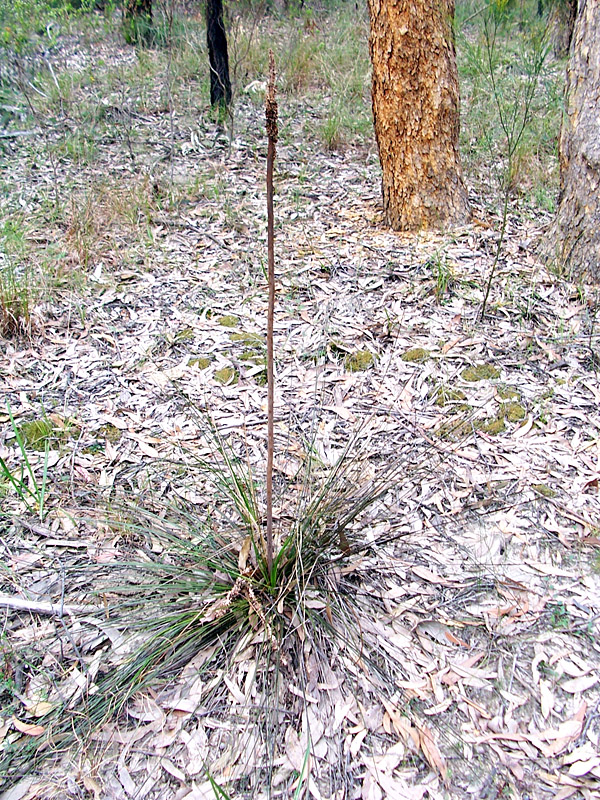
Recently I have been looking into Horse Chestnut as a soap substitute after seeing the effectiveness of a soapy leaved plant in Australia that produces a vast amount of suds and being told be an aboriginal elder that keeping your skin clean is of vast importance as it is the largest organ in the body. If you don't keep it clean then illness can occur in other parts of the body.
This got me wondering how did people keep clean in the Uk before we could buy soap in the shops.
Have heard about Horse Chestnut's soapy properties I gathered some leaves in mid september and pulled them into large chunks and set them in warm water. Upon sqeezing the leaves after a few minutes I could see oil dropplets dripping into the water. The oil given off was very soft on the skin.
The next day i checked back to find the oil had all seaped out leaving the water a lovely hazelnut colour. Upon testing I found it a very nice hand wash.
My next step is to research how to make concentrate and produce soap.
From recent research I have found out that It greatly improves blood circulation and was once used to treat varacos veins, hardening of the arteries, phlebitis, leg ulcers, frostbite along with a variety of other vascular problems and horse chestnut also contains anti-inflammatory properties.
http://www.herbwisdom.com/herb-horse-chestnut.html
Grimbo;s horse chestnut soap... - YouTube
Horse Chestnut is an astringent, anti-inflammatory herb that helps to tone the vein walls which, when slack or distended, may become varicose, haemorrhoidal or otherwise problematic. The plant also reduces fluid retention by increasing the permeability of the capillaries and allowing the re-absorption of excess fluid back into the circulatory system.
Not only does horse chestnuts inprove circulation but it also proves to be good for body washing as well as washing fabric(gently on wools and silks).
"In the past, horse-chestnut seeds were used in France and Switzerland for whitening hemp, flax, silk and wool. They contain a soapy juice, fit for washing of linens and stuffs, for milling of caps and stockings, etc., and for fulling of cloth. For this, 20 horse-chestnut seeds were sufficient for six litres of water. They were peeled, then rasped or dried, and ground in a malt or other mill. The water must be soft, either rain or river water; hard well water will not work. The nuts are then steeped in cold water, which soon becomes frothy, as with soap, and then turns milky white. The liquid must be stirred well at first, and then, after standing to settle, strained or poured off clear. Linen washed in this liquid, and afterwards rinsed in clear running water, takes on an agreeable light sky-blue colour. It takes spots out of both linen and wool, and never damages or injures the cloth." Wikipedia
chop some conkers and boil them for awhile and than use this water for washing


 You can use a cap from a jar to shape the soap
 Then either leave in the sun to dry or a dehydrator or put it in the oven at 100° and let it dry, turning it at least once.


All in all Horse Chestnuts seem very undervalued as a medical and cleaning resource.
This got me wondering how did people keep clean in the Uk before we could buy soap in the shops.
Have heard about Horse Chestnut's soapy properties I gathered some leaves in mid september and pulled them into large chunks and set them in warm water. Upon sqeezing the leaves after a few minutes I could see oil dropplets dripping into the water. The oil given off was very soft on the skin.
The next day i checked back to find the oil had all seaped out leaving the water a lovely hazelnut colour. Upon testing I found it a very nice hand wash.
My next step is to research how to make concentrate and produce soap.
From recent research I have found out that It greatly improves blood circulation and was once used to treat varacos veins, hardening of the arteries, phlebitis, leg ulcers, frostbite along with a variety of other vascular problems and horse chestnut also contains anti-inflammatory properties.
http://www.herbwisdom.com/herb-horse-chestnut.html
Grimbo;s horse chestnut soap... - YouTube
Horse Chestnut is an astringent, anti-inflammatory herb that helps to tone the vein walls which, when slack or distended, may become varicose, haemorrhoidal or otherwise problematic. The plant also reduces fluid retention by increasing the permeability of the capillaries and allowing the re-absorption of excess fluid back into the circulatory system.
Not only does horse chestnuts inprove circulation but it also proves to be good for body washing as well as washing fabric(gently on wools and silks).
"In the past, horse-chestnut seeds were used in France and Switzerland for whitening hemp, flax, silk and wool. They contain a soapy juice, fit for washing of linens and stuffs, for milling of caps and stockings, etc., and for fulling of cloth. For this, 20 horse-chestnut seeds were sufficient for six litres of water. They were peeled, then rasped or dried, and ground in a malt or other mill. The water must be soft, either rain or river water; hard well water will not work. The nuts are then steeped in cold water, which soon becomes frothy, as with soap, and then turns milky white. The liquid must be stirred well at first, and then, after standing to settle, strained or poured off clear. Linen washed in this liquid, and afterwards rinsed in clear running water, takes on an agreeable light sky-blue colour. It takes spots out of both linen and wool, and never damages or injures the cloth." Wikipedia
chop some conkers and boil them for awhile and than use this water for washing
Making Horse Chestnut Soap
-Hit nuts with hammer
-peel nuts
-Slice nuts then put in boiling water
-let sit in water for 10 minutes or so
-soak in soapy water
Seem to take out more stains than the regular soap and much kinder than chemicals
grate all the horse-chestnuts to make a very smooth cream. Or put chestnuts inside a mixer and spin it fast but unfortunately the texture obtained is a bit more rough. If you have time or friends who would love to prepare their own soap, I would suggest you go back to the “old fashioned” method.
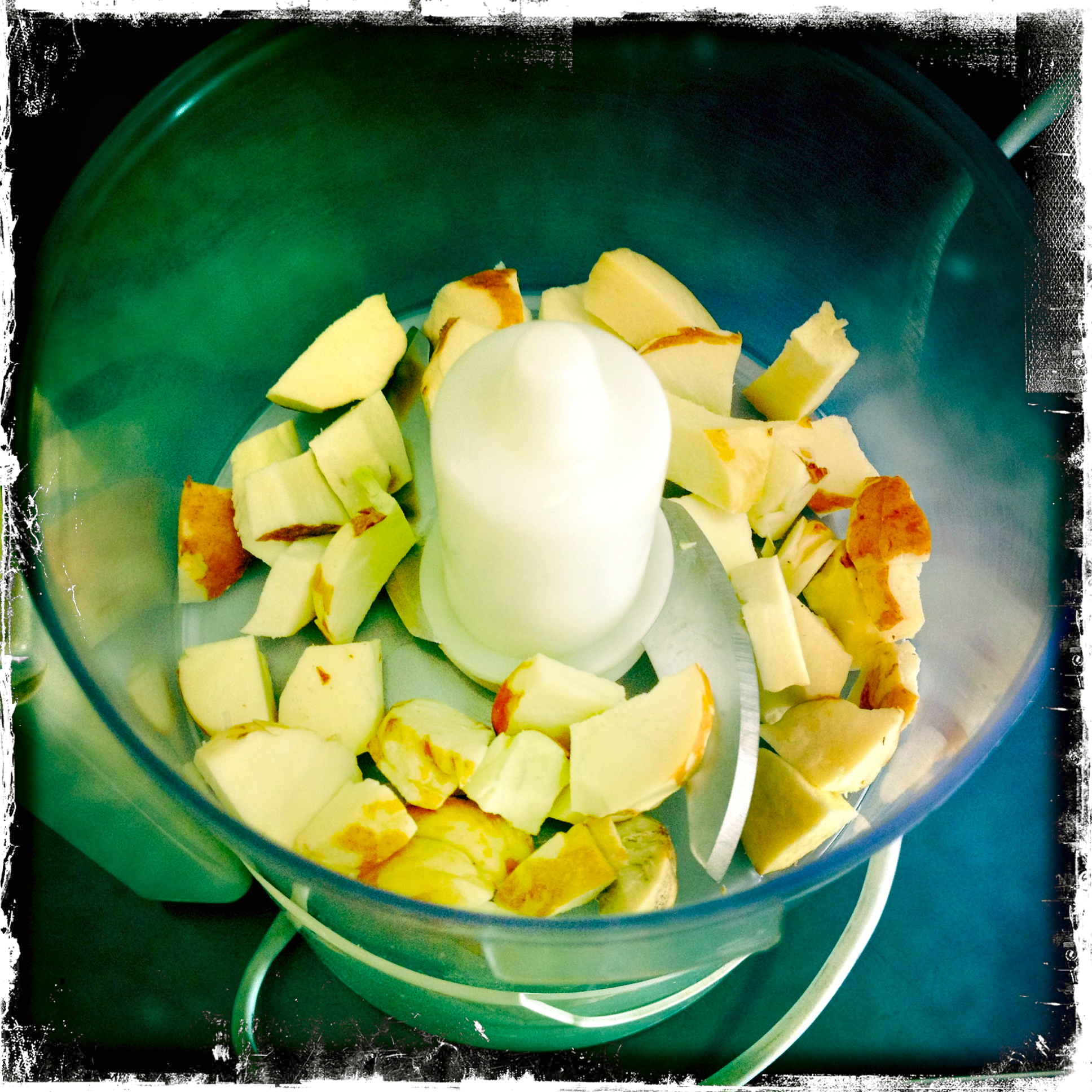

When you are done with the mixer – or with the grater – you can add some flowers to give your soap a nice smell. The nuts don’t really smell like anything so I used a few desiccated lavender flowers.
 You can use a cap from a jar to shape the soap
 Then either leave in the sun to dry or a dehydrator or put it in the oven at 100° and let it dry, turning it at least once.
Great guide on how to make chestnut salve(simple)
All in all Horse Chestnuts seem very undervalued as a medical and cleaning resource.