Tuesday, 31 July 2012

Hand Drills in Australia


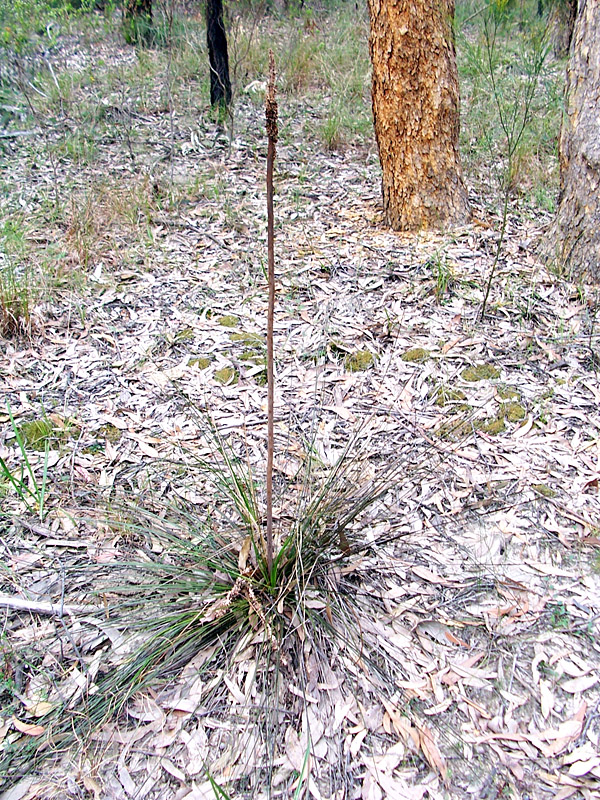
I thought I might try to have a go at hand drills while Im out in Australia, so my first step is to look for the right wood to make the drill and the hearth out of.


It seems the best wood for both the spindle and hearth is the Grass Tree or Black Boy ( as it was found a few month after bush fires) scientific name Xanthorrhoea.

 http://www.survival.org.au/fire_woods.php
http://www.survival.org.au/fire_handdrillkit.php


Thursday, 31 May 2012

How to make Fish Oil

I was watching an episode of Ray Mears Northern Wilderness in which he tells of how the natives of Vancouver island would cook up fatty fish like salmon or trout in an old canoe to produce a fish oil used in most cooking.
I think this could be a great way to make some nice fish cooking oil for home or when I go camping as oil is quite hard to come by in the wild.
I found this how to guide online and hopefully will manage to make some for my next camping trip.


    • 1
      Cut the meat of a fish into 1-inch pieces. A fish that is high in fat will produce a better oil. Try using trout or salmon. The belly of the fish has the highest fat content, so use all of the belly meat.
    • 2
      Put the fish chunks into the glass jar, filling it about halfway full. Put the washcloths over the top of the jar, and secure it in place with the rubber band. The washcloth will let gases escape from the jar and prevent insects from getting inside. If a fly or other type of insect were to lay eggs inside the jar, the oil would be ruined.
    • 3
      Let the jar sit in the sun for 4 weeks. There will be liquid sitting on top of the fish. You will see fluid produced from decomposition and a thick yellow substance floating on top of the fluid. The yellow substance is the fish oil.
    • 4
      Take the washcloths off the jar so you can get to the oil. Skim the oil off the top of the liquid using a spoon. You can put the oil into a small plastic container of your choice. Whatever type of container you use, make sure it can be sealed.
    • 5
      Dispose of the contents in the jar. You can simply dump the remains on the ground or bury it in a small hole. Fish will not harm your soil or the environment.

 http://www.ehow.com/how_5110511_make-fish-oil.html#ixzz1wRb39IV3

Monday, 30 April 2012

Dandilion uses

You can boil up the dandilion root and eat like a vegetable
you can eat the leaves
you can fry the petals(remove any green otherwise its bitter).


Eat the weeds by Green Deane is a great youtube channel for eating wild food

Reed use: survival straw

In the past I have used reeds as a wick for candles and have been looking at sections of reed under the microscope. They have very tight pith, like a very dense filter.


Then the idea came to me that they must make great survival straws as they have such a dense constructions and they draw water or oil up like wick.
I have tested it and they make a very good straw and because they are so dense I recon they would remove pretty much any large particles.
You might need to boil the water to kill any bacteria but the straw would remove any visible particles.
uses for pine

-You can mix pine resin with sugar to make a candy
-You can harvest the pine nuts by bringing the cone near the fire or leave in a paper bag for 10 days to open
-You can cook and eat the inner bark
-You can make tea from the needles


Friday, 13 April 2012

Pine resin treatment for burns

A traditional use for pine resin has been as an external treatment for burns and sores. A long-term study done by Russian scientists and published in the April 2002 issue of the "Byulleten' Eksperimental'noi Biologii i Meditsiny" found that pine resin, as a main active ingredient in Biopin ointment , inhibited anti-bodies found in bodily fluids but aided healing and prevented infection by boosting cell immunity. The ointment did not cause irritation or allergic reactions.

Read more: Medical Uses for Pine Resin Pitch | eHow.com http://www.ehow.com/list_5903962_medical-uses-pine-resin-pitch.html#ixzz1ryBxaRBs